.png)

Construction Industry Trends Australia Guide for 2026
The Australian construction industry is facing a perfect storm of documentation demands, regulatory changes, and tender complexity that’s leaving many contractors scrambling. With the industry valued at over $360 billion and representing approximately 9% of GDP, getting your tender documentation right isn’t just about winning work anymore. It’s about survival.
Look, I’ve been in this industry long enough to see how the game has changed. What used to be a straightforward process of submitting a price and a basic capability statement has evolved into a complex web of compliance requirements, risk assessments, and detailed documentation packages. The reality is that 85% of construction projects experience cost overruns, with the average overrun being 28% above initial estimates. Much of this starts with inadequate tender documentation.
Understanding the Current Construction Industry Trends Australia
The construction market Australia is experiencing unprecedented shifts that directly impact how we approach tender submissions. Digital transformation, sustainability requirements, and stricter compliance standards are reshaping what builders and subcontractors need to include in their tender packages.
Here’s what’s driving these changes. Government procurement processes are becoming more sophisticated, with NSW’s model tender documentation setting new benchmarks for thoroughness and compliance. Private developers are following suit, demanding more comprehensive submissions that demonstrate not just price competitiveness but genuine risk mitigation.
Essential Documentation Components for 2026

The building industry trends 2026 point toward five critical document categories that separate winning tenders from rejected ones. Every successful submission now requires detailed compliance documentation, comprehensive risk assessments, sustainability credentials, technology integration plans, and ongoing support commitments.
Contractual documentation review has become absolutely essential. We’re seeing too many contractors win work only to discover scope gaps or unfavourable terms buried in the fine print. Abraham Lincoln once said, “Give me six hours to chop down a tree and I will spend the first four sharpening the axe.” This wisdom applies perfectly to tender preparation. The time invested upfront in thorough documentation review pays dividends throughout the project lifecycle.
EstimateOne platforms are processing thousands of tenders monthly, and construction tendering processes are becoming increasingly standardised. Yet many contractors still submit incomplete packages that get rejected before evaluation even begins.
Why Local Expertise Matters More Than Ever
The Australian construction outlook for 2026 emphasises localised compliance requirements that vary significantly between states and councils. Victorian building regulations differ from NSW standards, and what works in Brisbane won’t necessarily satisfy Melbourne council requirements.
This is where being Melbourne-based gives our team a distinct advantage. We understand the nuances of local council requirements and can attend pre-tender meetings, site visits, and clarification sessions in person. When RFIs come through at 4 PM on a Friday, we’re not dealing with timezone delays or remote communication barriers. We’re here, responding in real time, protecting our clients’ interests.
Our large team structure means we can handle multiple tenders simultaneously without compromising quality. Multiple deadlines hitting the same week? We have the capacity to manage them all while maintaining the attention to detail that wins work.
Common Documentation Failures and How to Avoid Them
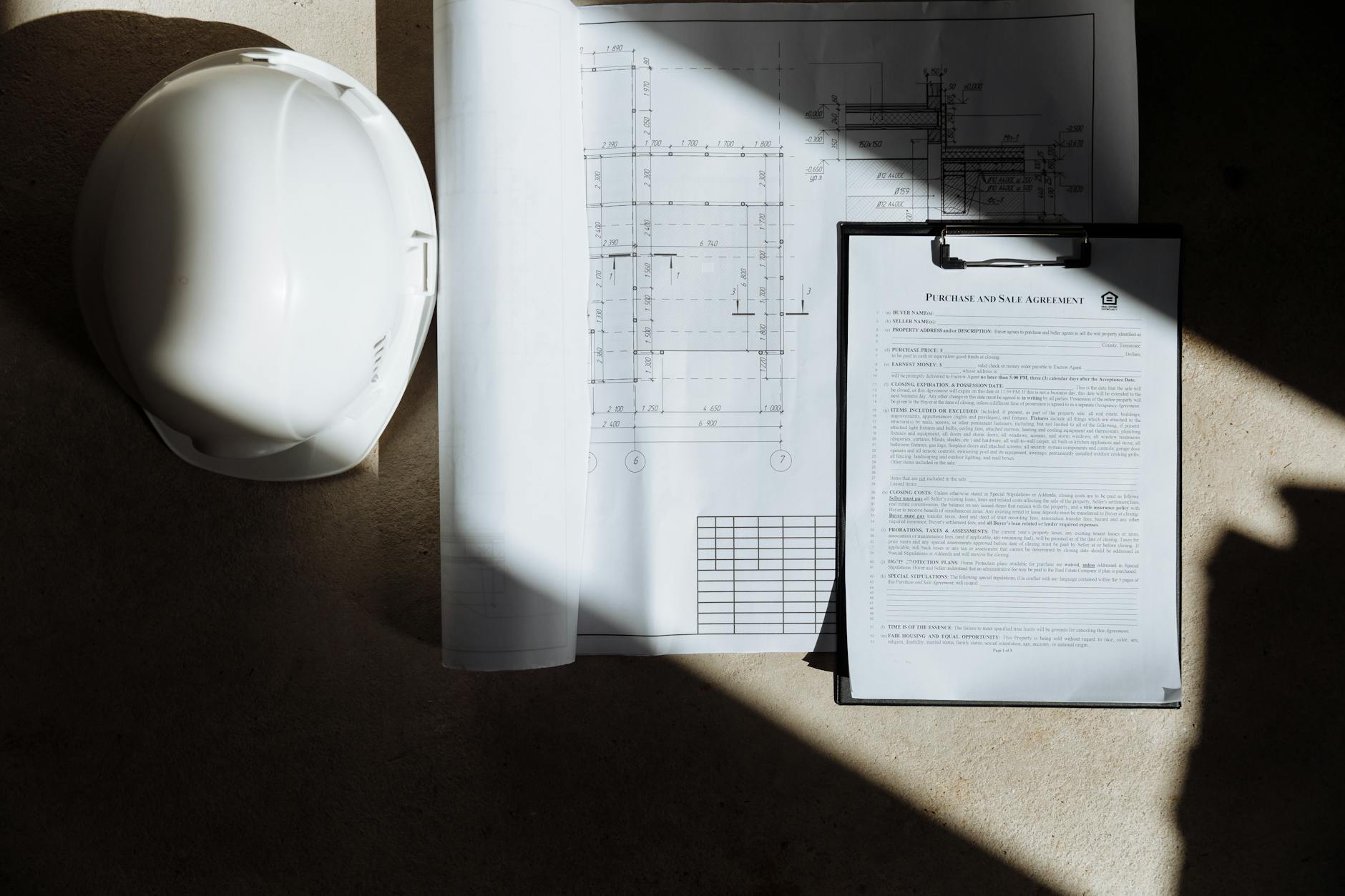
The average tender success rate in Australia sits around 20%, but firms with specialist tendering support often achieve success rates closer to 33%. What makes the difference? It’s usually not the price. It’s the quality and completeness of the documentation package.
Scope gaps represent the biggest risk in tender documentation. We see contractors regularly underbidding because they’ve missed elements in the specification or failed to identify discrepancies between drawings and written requirements. Every estimate we prepare includes a comprehensive review of all contractual documentation specifically to flag these issues before they become problems.
Risk identification goes beyond just pricing. It includes understanding payment terms, liability clauses, and performance requirements that could impact project profitability. Professional estimating services improve cost accuracy by 15-25% compared to in-house estimates from smaller firms, primarily because of this systematic risk review process.
The Ongoing Support Advantage
Here’s what many contractors don’t realise about successful tendering. Submitting your documents is just the beginning. The real work happens during the clarification period when builders send through RFIs, request additional information, or negotiate scope adjustments.
We don’t just hand over an estimate and disappear. Our team stays involved throughout the entire tender process, responding to builder queries, managing clarifications, and protecting our clients from scope creep during negotiations. This ongoing support is often what tips the balance between winning and losing a tender.
The construction sector forecast shows increasing complexity in project delivery methods and contractual arrangements. Design and construct contracts, early contractor involvement, and collaborative delivery models all require different documentation approaches and risk considerations.
Scaling with Industry Demands
One of the biggest advantages we offer is flexibility that matches your business cycle. Busy period with ten tenders landing simultaneously? We ramp up our team allocation. Quiet month with limited opportunities? You’re not carrying the overhead of idle estimating staff.
This scalability becomes crucial when considering the 70% of Australian construction projects that are delivered late, with inadequate planning and scope management being the primary causes. Having access to experienced estimating capacity exactly when you need it, without the long-term employment commitments, gives contractors the agility to respond to market opportunities while maintaining quality standards.
Moving Forward with Confidence
The construction industry trends Australia is experiencing aren’t slowing down. Documentation requirements will only become more demanding, compliance standards more stringent, and competition more intense. Success belongs to contractors who adapt their processes to meet these evolving demands.
Our estimating and tendering services are specifically designed to help Australian contractors navigate this complexity while maintaining competitive pricing and winning more work. We combine local knowledge, technical expertise, and systematic processes that protect our clients from the common pitfalls that derail projects before they even start.
If you’re ready to improve your tender success rate and reduce project risks through better documentation, I’d welcome the opportunity to discuss how our team can support your business. You can reach me directly through LinkedIn or contact our team to explore how we can help you win more work in 2026 and beyond.
Get in touch with our team today to discuss your specific requirements and discover how proper tender documentation can transform your business outcomes.