.png)
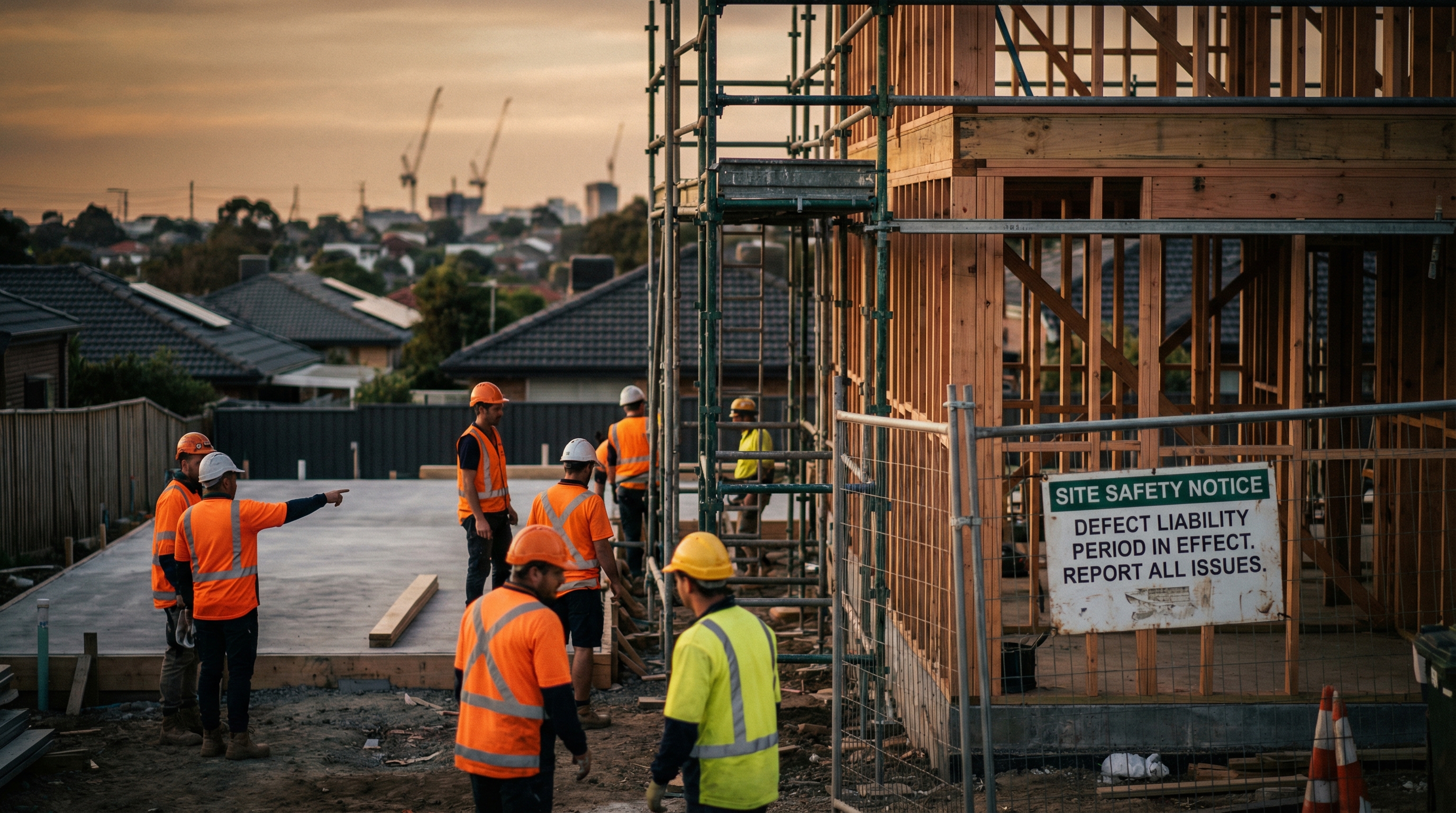
The Australian construction industry is valued at over $360 billion, approximately 9% of GDP. Yet within this massive sector, one of the most misunderstood aspects of construction contract risks lies in the defect liability period. We see it constantly at Sami Strategy: projects that sail through construction only to hit costly disputes during the liability phase.
Look, defect liability periods aren’t just about fixing things that break. They’re complex contractual arrangements that can make or break your project’s profitability if you don’t understand the risks involved.
What Actually Happens During Defect Liability Periods
According to Pegasus Legal, most construction contracts contain a prescribed period of time within which the construction contractor has a contractual obligation to remedy any defects in the construction work it has performed. These defects liability periods typically range from one to two years after practical completion has been reached.
Here’s what many don’t realise: often, a further defects liability period will apply to defective works that have been remedied by the construction contractor within the original defects liability period. This creates a rolling timeline of potential obligations that can extend well beyond your initial calculations.
The reality is that defect liability periods can help both the principal and the construction contractor in managing their respective risks under the construction contract. From the principal’s perspective, a defects liability period is useful because even if minor defects in the works exist, it can help the principal get comfortable with the grant of practical completion and taking over of the works.
Construction Contract Pitfalls That Cost You Money
The biggest construction contract risks we encounter aren’t the obvious ones. They’re buried in the fine print of liability clauses, progress claim procedures, and variation handling during the defect period.
Consider this scenario: You’ve completed a commercial fitout, received practical completion, and submitted your final progress claim. Eighteen months later, the client identifies what they claim is a defect. Suddenly you’re not just looking at repair costs but potential delays to other projects while your team addresses the issue.
Without proper contract review and risk identification upfront, these situations can spiral. We’ve seen contractors face unexpected costs that exceed 15% of the original contract value simply because scope gaps weren’t identified during the initial contract administration phase.
Progress Claims During Defect Liability
One critical area where construction contract risks multiply is in how progress claims interact with defect liability periods. Many contractors assume that once practical completion is achieved and final payment is made, their financial exposure is limited to the cost of remedial works.
That’s not always the case. Depending on your contract terms, defects can trigger additional financial obligations including consequential damages, loss of use claims, and even clawback provisions on previously paid progress claims.
Our team regularly reviews contracts where the defect liability clauses would expose contractors to risks far beyond the remedial work costs. This is where having experienced contract administration support becomes invaluable. We identify these scope gaps before they become problems, not after.
Variations and Their Impact on Liability Periods
Here’s something that catches many off guard: variations executed during construction can extend or create new defect liability periods. If you’ve completed additional work through a variation order six months after the main contract work, you might find yourself with overlapping liability periods of different durations.
We see this frequently in our development management work. A developer adds scope halfway through construction, and suddenly the liability timeline becomes a complex web of different end dates for different elements of work.
The key is maintaining meticulous records throughout the construction process. Every variation needs to clearly define not just the scope and cost, but also how it affects your defect liability obligations.
Risk Management Strategies That Actually Work
Benjamin Franklin said “An ounce of prevention is worth a pound of cure,” and nowhere is this truer than in construction risk management. The most effective strategies start before you even submit your tender.
First, ensure comprehensive contract review identifies all potential liability exposures. This isn’t just about reading the defect liability clause. It’s about understanding how that clause interacts with payment terms, variation procedures, and dispute resolution mechanisms.
Second, build defect liability costs into your pricing from day one. Many contractors price the construction work accurately but fail to account for the ongoing obligations during the liability period. This includes not just potential repair costs but also the administrative burden of responding to defect notifications and managing remedial works.
Third, maintain detailed documentation throughout construction. The best defence against spurious defect claims is comprehensive records showing that work was completed in accordance with the specification and relevant standards.
Why Location and Capacity Matter for Defect Management
When defect issues arise, response time is critical. Having a Melbourne-based team means we can attend site meetings, respond to RFIs, and coordinate remedial works in real time. You’re not waiting for someone in another timezone to review documents or clarify scope.
Our large team capacity also means we can handle multiple defect notifications simultaneously without compromising quality or response times. When you’re dealing with defect liability periods across multiple projects, having the bandwidth to manage them all properly is essential.
This scalability becomes particularly important for builders and developers managing portfolio projects. Busy period with several defect notifications landing at once? We have the capacity to handle them all without dropping the ball on any.
The Ongoing Support That Wins Disputes
We don’t just review your contracts and disappear. Throughout the defect liability period, we stay involved, helping respond to defect notifications, assessing liability, and coordinating remedial works where required. This ongoing support often makes the difference between minor remedial costs and major disputes.
Our approach to construction risk management recognises that defect liability periods are an active phase of contract administration, not a passive waiting period. They require ongoing attention, proper documentation, and strategic management to minimise your exposure.
Getting Professional Support for Contract Administration
Whether you’re a subcontractor trying to manage multiple defect liability periods, a builder needing contract administration support, or a homeowner navigating your first construction contract, professional support makes a measurable difference.
At Sami Strategy, we’ve built our reputation on identifying and managing construction contract risks before they become costly problems. Our contract administration services include comprehensive defect liability period management, from initial contract review through to final discharge of obligations.
Don’t let defect liability periods become a source of unexpected costs and disputes. Contact our team for a consultation on how we can help protect your interests throughout the entire construction process.
For more insights on construction risk management and contract administration, connect with me on LinkedIn where I regularly share practical advice for Australian construction professionals.